
ARE DIAMONDS AND BRILLIANTS THE SAME? WHAT IS THE DIFFERENCE?
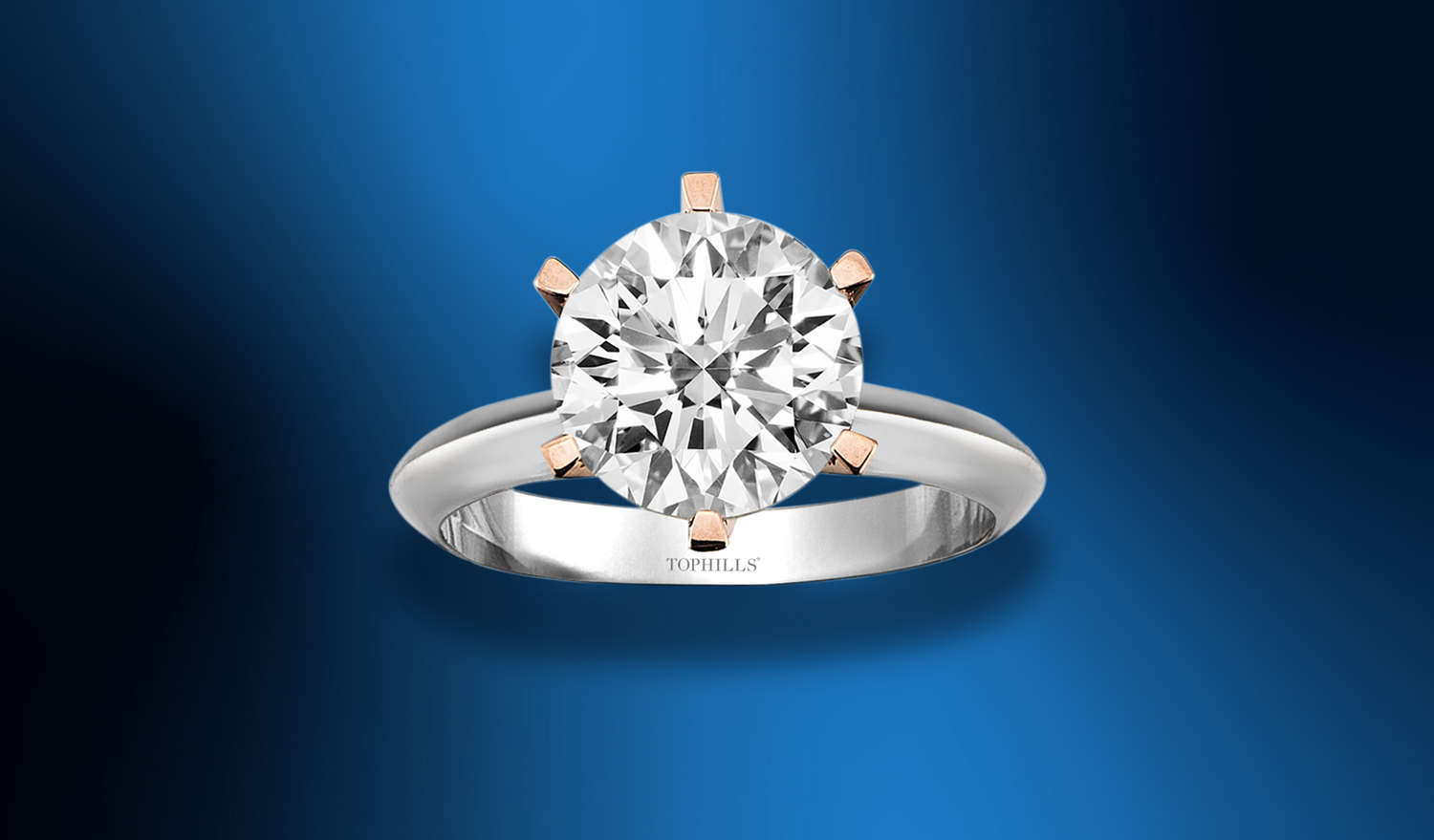

ARE DIAMOND AND BRILLIANT THE SAME? WHAT IS THE DIFFERENCE?
Diamond is a raw mineral as it is found in nature. Its appearance resembles transparent, gray, black, and brown. Diamonds are processed and cut in diamond cutting and production facilities with the help of technology today. The diamond mineral is processed by cutting it into many forms such as round, pear, marquise, princess, oval, and emerald cuts. These cuts have international standards. It can only be done by professionals. Brilliant is the cut and processed form of the diamond mineral. The beauty of a brilliant depends on its light refraction and reflection rates. The cut must be such that the light reflected from the stone comes directly to the eye, and the light entering the stone should reflect off its surface. Only such a perfect cut ensures that the stone comes to life again as a magnificent brilliant.
Many people assume that diamond and brilliant are two different stones, yet they are both the same stone; only their cutting styles are different.
Diamond is the name given to the mineral containing 100% carbon from which brilliant is formed. This natural mineral, when cut in the old "rose cut" form, now called "diamond cut," is also called "diamond." When the diamond mineral is cut in a special form with more cutting surfaces and a dome-shaped bottom, it transforms into the more brilliant "brilliant." In other words, brilliant is the cut and specially shaped AND MORE POLISHED form of the diamond mineral. The reason brilliant cut is brighter is that its pavilion is longer and has many facets, and its capacity to attract and reflect light is more intense due to its depth.
The cutting surface of the diamond cut is less, and its bottom facet is flat. The lower brilliance of the diamond cut is due to the lack of depth in this cut. In antique diamond jewelry, foil is placed at the bottom of the stone to increase its sparkle. Foiled diamond jewelry should be used while protected from moisture and water.
IMPORTANT INFORMATION ABOUT DIAMONDS
The allure of diamonds has captivated humanity for centuries. In addition to being rare, they were also believed to be magical. No tool could cut a diamond, and not even the hottest fire could leave the slightest mark on it. This led many to believe that diamonds possessed supernatural abilities.
For the Greeks, diamonds were the tears of the Gods; for the Romans, they were fragments broken off from stars. Indians also viewed diamonds as a lucky charm that warded off evil. In other cultures, these stones were believed to possess healing and wisdom powers.
Legends surrounding diamonds made them a DESIRED commodity. Ancient kings wore diamonds in battles; queens and concubines wanted to possess diamonds as a symbol of power and ambition. In the 13th century, King Louis IX of France forbade non-nobles from wearing brilliant jewelry, decreeing that only members of the royal family could wear them.
Although this magnificent allure partly continues today, it has gained a different dimension due to changing ethical values and concepts of value in contemporary times.
Leonardo DiCaprio's 1997 film Blood Diamond was one of the legendary productions that clearly exposed the true face of diamond mining and the industry. In fact, it was strictly forbidden to attend the film premiere with mined diamonds and brilliants.
Due to the destruction of nature and colonialism caused by the desire to possess this unique miracle created by nature, the preference for diamonds has started to shift towards brilliant cut diamonds developed with technology. Diamonds, which historically served as an inter-country money transfer (Black Money) function due to their small size and ease of transport, have begun to lose their validity as coin and similar financial systems take their place, and as brilliant cut diamonds can be produced by gemologists in a laboratory environment without harming nature through technology. While prices on the Rapaport list, which determines the global diamond market, historically had a 5% discount, this rate has dropped to as much as 40% due to increased public awareness and changing consumption preferences. This significant decline in the market of a mineral that has been imposed on us as valuable for years, in a changing world order, has made consumers more aware of many things. In the coming years, it is predicted that laboratory-grown diamonds will be used in every field where diamonds are used, including space technologies, and that diamonds obtained from mines will lose their validity.
Some Facts About Diamonds
- Diamond is the hardest natural substance known to mankind.
- The first diamond was found in India before Christ.
- Only another diamond can cut a diamond. Although diamond has been imposed as unbreakable due to its hardness, it is a fact that many diamonds have broken even during setting. Knowing this, setting artisans are much more careful in their work, especially when setting large diamonds, to avoid being blamed.
- During cutting and polishing, each stone loses on average more than half of its original carat weight.
- Less than 5% of brilliant cut diamonds made into jewelry are larger than one carat.
- Diamonds can be any color. The rarest diamond color is red diamond. In addition, different diamond minerals such as pink diamond, blue diamond, green diamond, and black diamond are also found in nature.
- The world's largest gem-quality diamond, the Cullinan, was found in South Africa in 1905. Before it was cut, it was APPROXIMATELY THE SIZE OF AN OSTRICH EGG, weighing 3106 carats.
- To date, the highest-priced diamond per carat in diamond auctions is a purple-red diamond weighing 0.95 carats, which sold for 1 million dollars.
- The word “diamond,” the English translation of Elmas, comes from the Greek word “adamas,” meaning “unconquerable.”
- The word “carat” comes from the “carob” seed, which was used as a unit of weight to weigh precious stones in ancient times. Every carob seed in the world weighs 0.2 grams. The weight of each one-carat diamond is also 0.2 grams.
- The tradition of giving a brilliant ring as a symbol of love and commitment began in the 15th century when Archduke Maximillian of Austria presented a diamond ring to Mary, Duchess of Burgundy, during their engagement.
The tradition of wearing a ring on the fourth finger of the left hand comes from the ancient Egyptians' belief that the "vena amoris" (vein of love) reached the heart directly from this finger.
Next article


